To put you in a position to make an informed booking, Lip Tattoo Guides cover everything from lip blush and neutralisation to the matters of cost, safety and colour longevity. My name is Samuel Brooks and I am based in Hobart, Tasmania where I put pen to paper on grooming and general wellbeing. You will not find many glossy promises in my writing, only practical advice.
There is no denying a cosmetic lip tattoo can lend some definition and a softness of colour that makes one less reliant on lipstick each day. Yet it is not a magic wand for all your lip troubles. The outcome is contingent on a number of factors: the technician, your skin type and natural pigmentation, the pigment he or she uses, and if you put in the time for aftercare and a subsequent touch-up. In short, consider it semi-permanent makeup and nothing more of a permanent end run around the beauty counter.
What Is A Lip Tattoo?
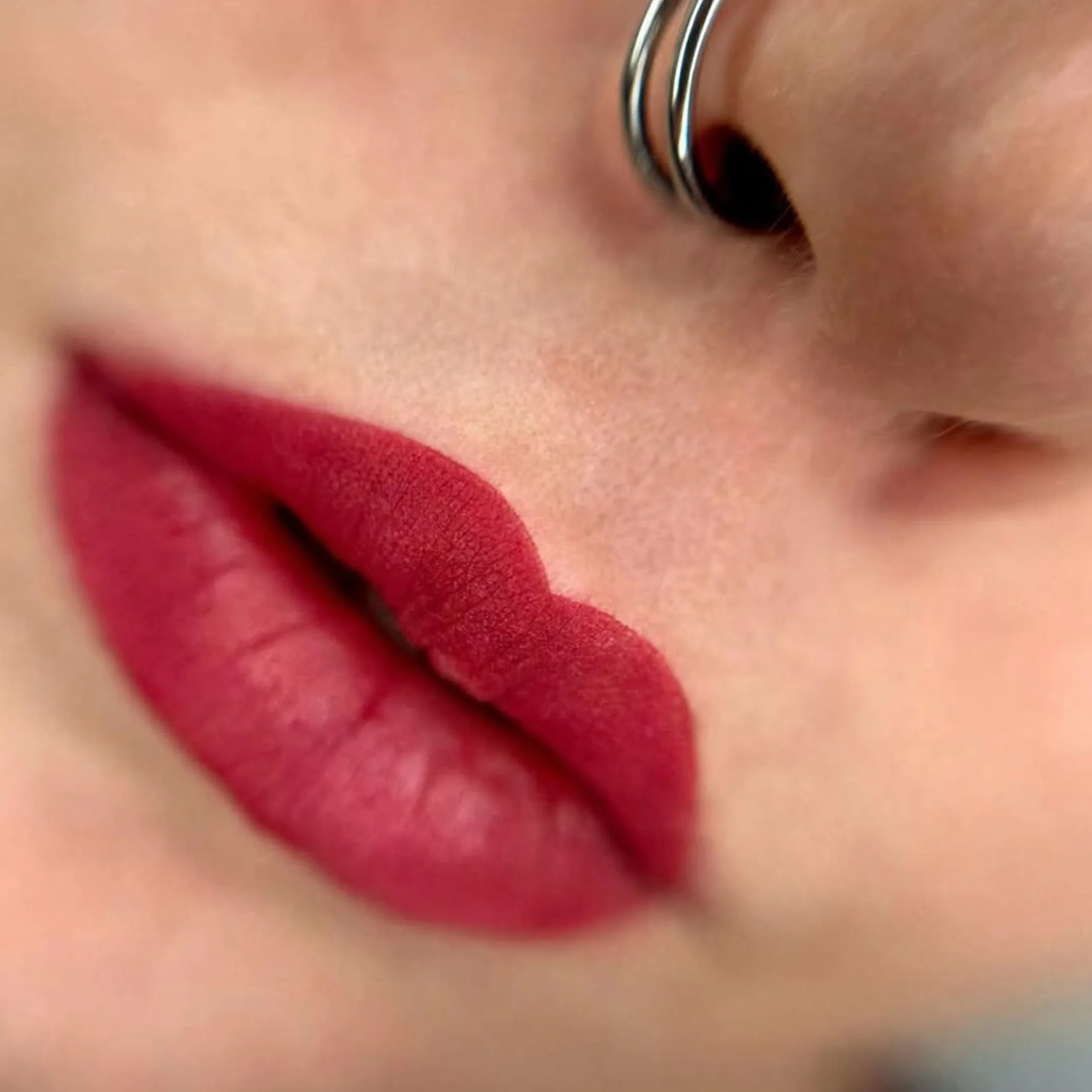
In simple terms it is a cosmetic procedure whereby a fine needle is used to implant pigment in the upper strata of the lips. This can be done to even out pale or irregular pigmentation, define the border or put down a full lip colour as well as a sheer lip blush. While some would have you believe this is permanent makeup, the intent with most cosmetic lip tattooing is for it to fade over time. Of course, with darker pigments and regular touch-ups the colour can be there for years.
Lip Blush And Cosmetic Colour
The finish of a lip blush is typically a translucent wash of colour, not something as solid as lipstick. Freshly done lips will seem puffy and of a much deeper hue for several days but once they have healed the effect is quite understated.
Services in Australia may extend to lip neutralisation to put right any cool, brown, grey or purple tones before a brighter shade is put in. If the lip colour is uneven by nature it could take more than a session to achieve balance.
Techniques For The Right Lip Tattoo
How much daily makeup you wish to wear, the look you want and your own lip shape and pigmentation will dictate the technique. During a consultation you should be told what your lips can realistically do, not just be shown the most striking before and after.
You might be offered an ombre lip tattoo, a pixel lip blush or a lipstick finish; ask the technician what he has in mind. Such nomenclature is not consistent from one studio to the next so look at the examples of healed work.
Popular Styles And Finishes
Some popular styles are the soft lip blush for a natural tint, or the pixel method which builds colour with small points of pigment. An ombre treatment will have lighter colour in the centre and stronger at the periphery.
A full lip colour is more pronounced and may appeal to the lipstick wearer, though it can come off bolder than anticipated and still call for conventional lipstick to get the exact shade.
A competent technician will map the lips for symmetry. While cosmetic tattooing gives visual definition, it is not the place to stray far from your natural lip line. When the colour eventually fades such excesses are all too apparent.
Benefits And Limits
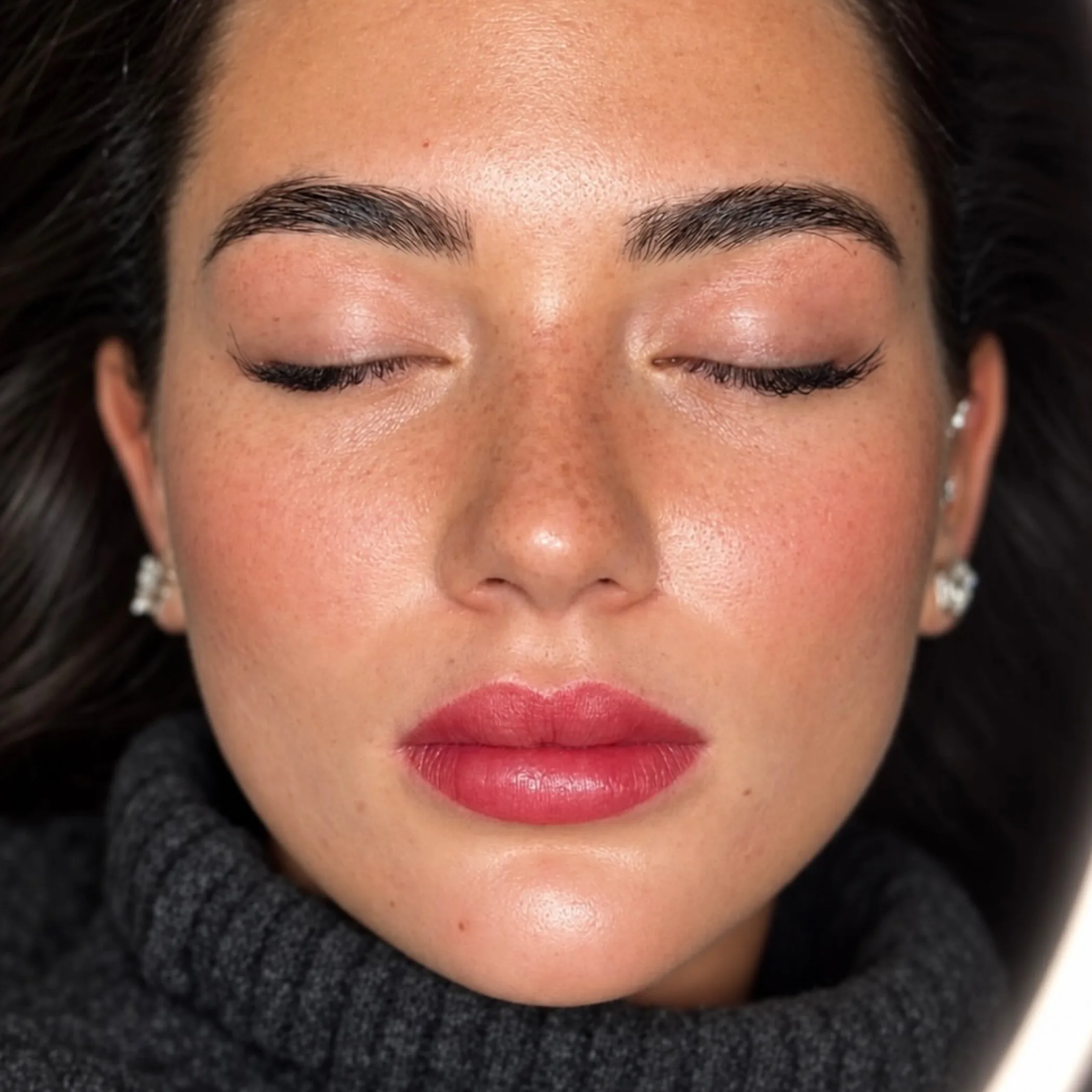
Convenience is the chief advantage. After a swim or a meal your lips are ready to go with a subtle definition and even tone. It is also a solution for those with an aversion to the feel of lipstick or who have uneven lip colour.
Then there are the limits. You cannot simply wash the result away. Cold sores can be set off and colour does not always fade uniformly. Longevity is open to the vagaries of smoking, sun, oily skin, exfoliation and the like.
Reality Check
One expects the finished colour to be as rosy as the pigment in the tray. In reality your undertones and natural pigmentation have their say and what is rosy on another may heal softer or warmer on you.
Or you might think the border will make the lip appear bigger. Lip tattooing is no substitute for surgery or injectables; good work is safe and works with your anatomy.
And do not be taken aback by a temporary change in colour. It is common for lips to be very bright and then go pale with the peeling. That is not to say the pigment has been wasted. Wait until the healing is done to pass judgement.
What To Expect At A Treatment Appointment
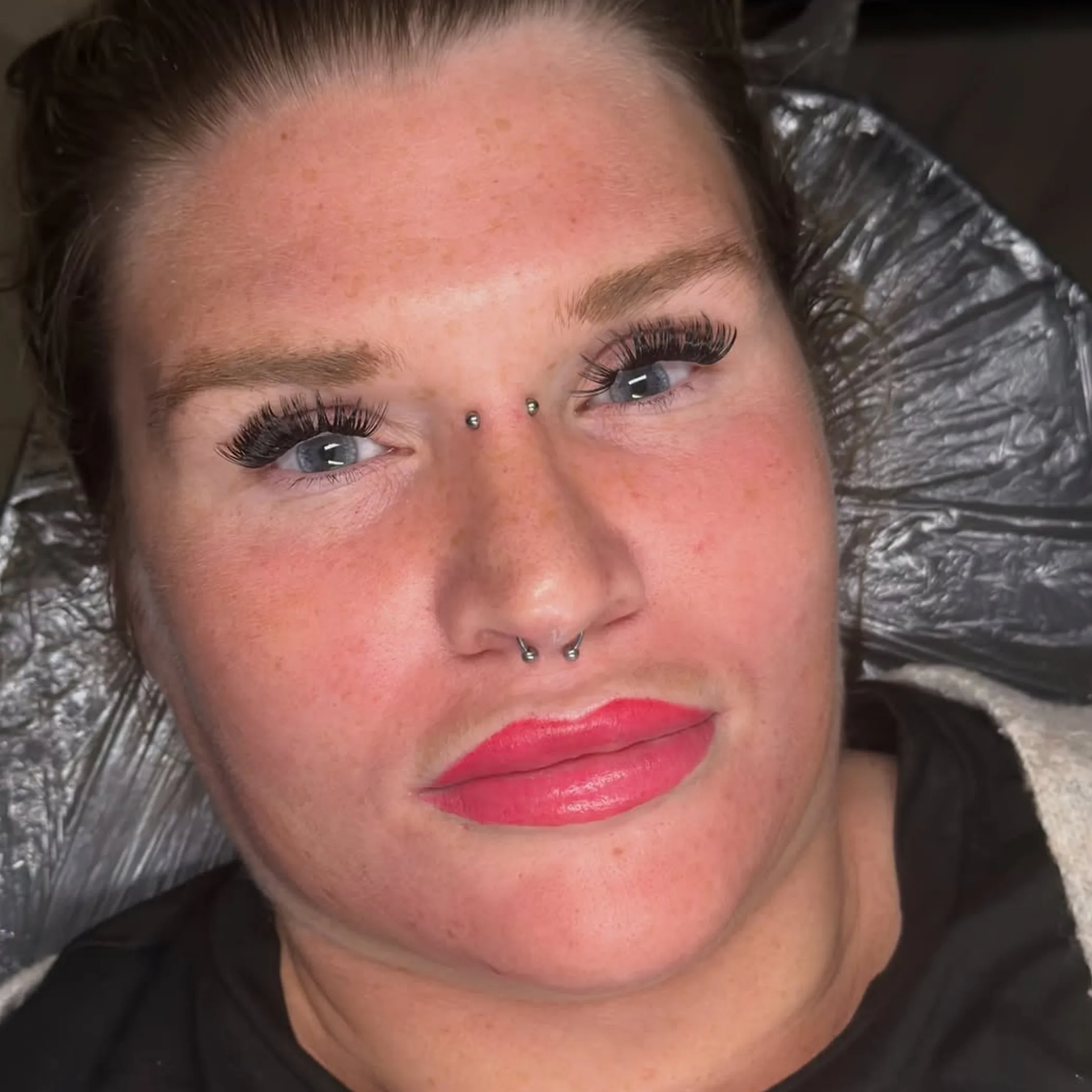
There is a method to the typical appointment: it will start with some health questions, a consultation and lip mapping as well as a talk about colour. The technician will go over the aftercare, any risks that might be involved, the swelling one can expect and the shape and pigment in question before he or she takes up a fine needle.
For the most part the lips are put through a cleaning process and a topical numbing cream put on. While this will see to any discomfort, do not think it makes for a painless session; in more sensitive spots you are likely to have some pressure, vibration or a sharper feeling, perhaps even a scratch.
From The Consultation To The End
Before implanting anything the technician will outline the shape. Make sure to examine it with a critical eye while sitting up. Should the border, colour or shape not be to your liking, say so. There is no point waiting until the pigment has been put in to put right what was wrong with the plan.
Then comes the tattooing which, contingent on the technique employed and if there is any colour correction to be done, is an hour or two of work. Factor in time for the paperwork and aftercare directions. One would not want to put this in between a school pick-up and a full day of other commitments.
When it is all over the lips can be hot and tender. Swelling is to be expected, so if public transport is not an option when you are in that state, make other arrangements for getting home. Those driving from a clinic in Brisbane, Melbourne or elsewhere in Australia should look into parking and not put off a long drive back.
Booking And Preparation
How you prepare for a lip tattoo has bearing on your safety, comfort and healing. Do not be swayed by a social media post to book the cheapest option available; a low price ceases to be a good deal when you require corrective work down the line. A proper consultation is the way to begin.
The technician needs to know of any allergies, medications, cold sores, herpes simplex, a propensity for scarring, recent cosmetic work or active irritation on the lips. In the case of cold sores this is of particular note since the virus can be reactivated by the trauma of the needle.
A Few Things To Check Off Beforehand
- Come in with clean lips and stay away from anything too abrasive in the way of exfoliation.
- If you are prone to cold sores, consult your doctor on antivirals like Valtrex or Zovirax, but do not prescribe them to yourself.
- Refrain from alcohol and keep caffeine to a minimum if it puts you on edge.
- Unless a doctor tells you to, do not come off your prescribed medicines. That goes for aspirin, ibuprofen, Vitamin E and fish oil.
- You can show the technician a sample of the colour you like but the healed result will be of a different, softer hue.
- Have water, an aftercare balm and something simple to eat ready for the first day.
Should your lips be in any way compromised – cracked, blistered, sunburnt or infected – put off the treatment. It will only make for a harder time of it and complicate the healing.
Healing In Stages
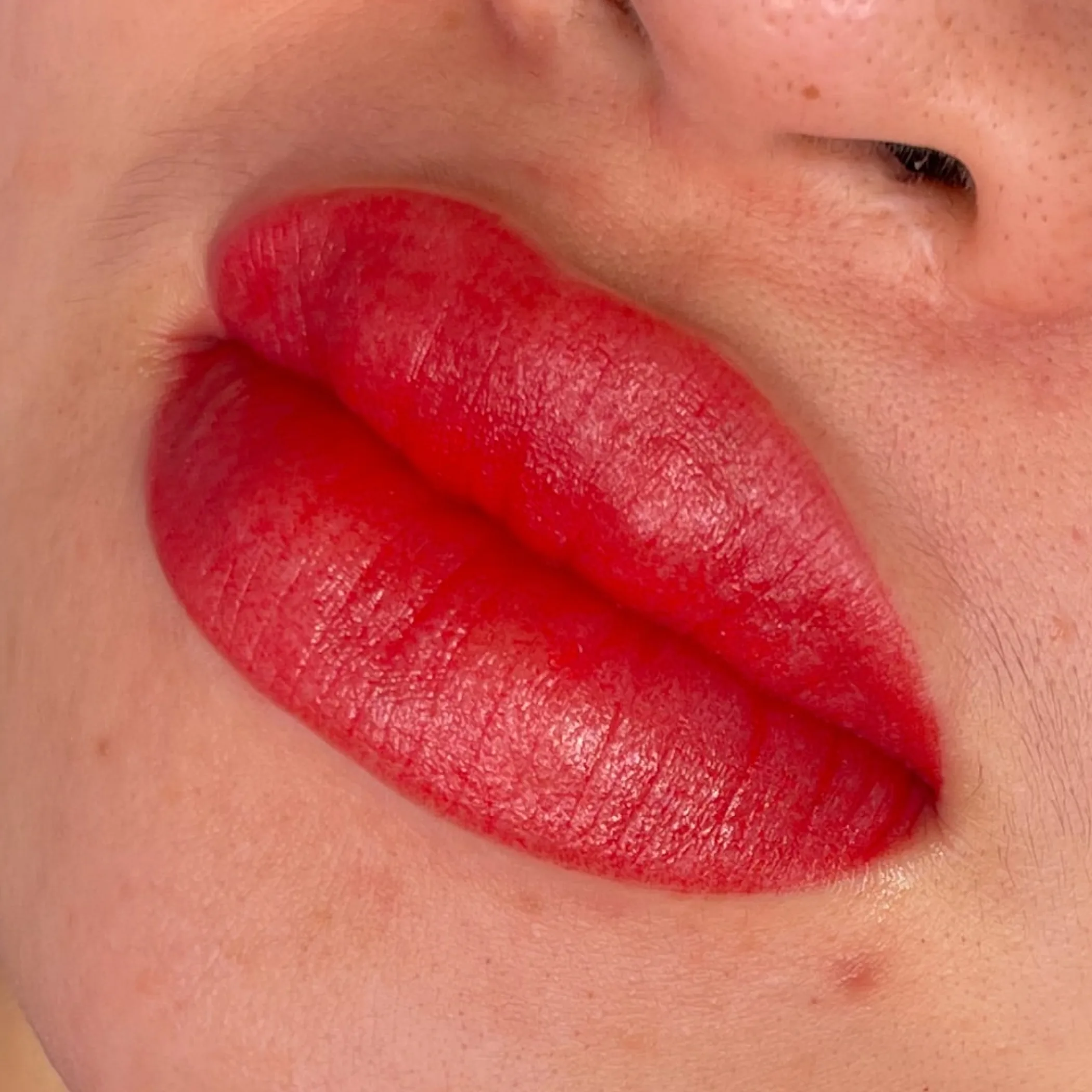
In the first few days the process is more of an ordeal than one might think, with strong colour, surface dryness, tenderness and swelling making an appearance before the peeling and fading set in.
The table below is intended as a guide, not a guarantee, as every person is different. Your technician will give you his own instructions, especially where a medical condition or cold sores are concerned.
| Stage | What You May Notice | Practical Focus |
|---|---|---|
| First 24 hours | Warmth, swelling, tenderness and pronounced colour | Adhere to the studio’s balm regimen and keep things clean |
| Days 2-7 | Colour may be patchy, skin will peel and be dry | Resist the urge to pull or pick at it |
| Weeks 2-4 | A softer or pale looking colour | Be gentle with the area |
| Weeks 4-8 | The true colour shows itself | Have a word with the technician about a touch-up |
Aftercare Worth Having
Hydrate the lips but do not slather on the aftercare balm. And leave them alone; no rubbing, picking or licking. If the skin is rough as guts, let it fall off on its own.
While they are in the early stages of healing, swimming, saunas and the like are out, as are activities that will have you perspiring or get the lips dirty. Heed what the technician says on the subject of food, kissing and makeup. Freshly treated lips will be stung by anything hot, spicy or acidic.
Put away the retinoids, strong exfoliants and other active products. When the skin has had a chance to settle, some sun protection around the mouth will forestall colour loss. As for resuming normal exfoliation, the technician will tell you when.
Safety First
Sensible aftercare, training, hygiene and a good health screening are what make a lip tattoo safe. Go with a practitioner of experience and standing who is qualified and abides by local regulations. Use of sterile, single-use needles is a given. Put him or her on the spot as to how equipment is cleaned, opened and thrown out.
Regulations in Australia are not the same from one state or territory to the next; cosmetic tattooing will be subject to a mix of public health, practitioner and local council rules. The Therapeutic Goods Administration has some guidance on cosmetics if you want to read up on product and health regulation.
Risks And Contraindications
One can encounter infection, an allergic response, scarring, herpes simplex reactivation, swelling that lingers, as well as colour or shape that is not to one’s liking. Should pain intensify or there is pus, fever, blistering or redness that spreads, it is best to see a doctor.
Any of the following warrant a discussion with your doctor before undergoing treatment: pregnancy or breastfeeding, being immunocompromised, the use of blood thinners or a tendency to keloid scars. An active cold sore or unexplained lip rash means treatment should be put off.
No technician ought to represent lip tattooing as without risk. A professional of care will make clear what the service entails and will not hesitate to turn you away if it is not appropriate; consider this a good thing rather than an insult.
Cost And Maintenance
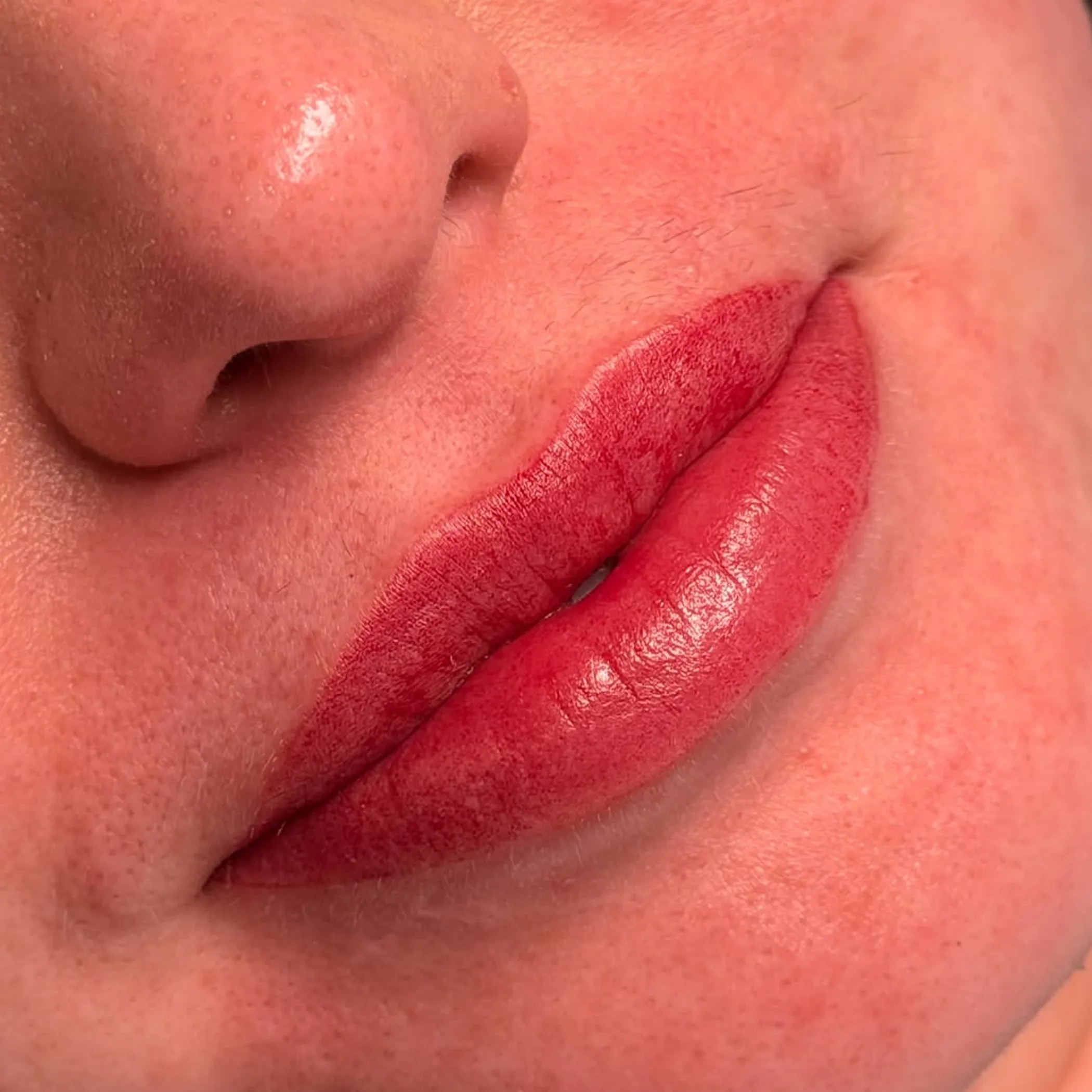
In Australia the price for a lip tattoo is dictated by where you are, the technique employed and the experience of the technician, and whether colour correction is part of the appointment. You might pay more in Melbourne or Brisbane than in a regional town but do not mistake location for quality. Find out if the figure given covers the consultation, the aftercare products and the initial work as well as a touch-up. While a touch-up is often put forward once the colour has settled, it is no guarantee of any given outcome.
Look At Value First
Do not judge by fresh results alone, have a look at healed photographs. Put questions to the technician as to his or her time in the business of cosmetic lip tattooing, how he charges for corrections and what is to be done if the colour is not to your taste.
Then factor in the practicalities: parking, transport, a follow-up and the time from work. With tender or swollen lips an afternoon at home is more feasible than going back to a job where you are on display.
Longevity And Touch-Ups
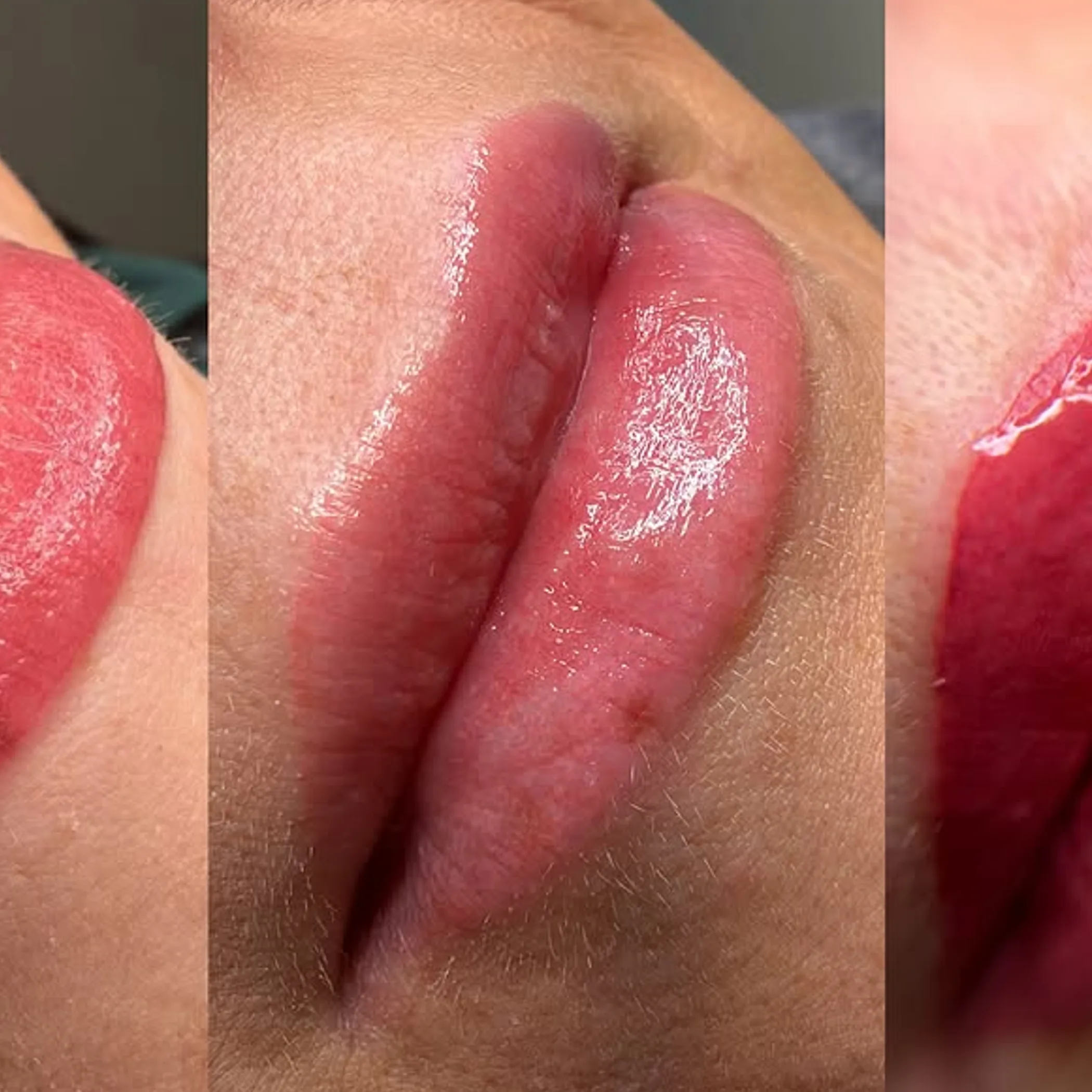
A lip tattoo does not come with an expiry date. Some will fade over a number of years, others sooner, contingent on the depth of the pigment, sun, skincare, how the area is refreshed and natural lip turnover. Fading is not always uniform; strong sun, oily skin or friction from exfoliation can cut short the life of the treatment. Pigment may also outlast expectations, so for a first go around conservative colours are advisable.
When To Refresh
Let the lips heal completely before deciding on more pigment. In a hurry to touch up and you may end up with too much saturation or complicate a correction down the line. A touch-up is for putting right a soft result or to bring balance to something that has faded, not to recapture the intensity of the first few days. Freshly done lips can be over enthusiastic but they are not the final article.
Some Common Lip Tattoo Questions
You will likely have some of these before making a booking. The answers below are a guide, though your health history and the technician’s opinion will be determinative.
How Long Will They Last?
Visibility can be anywhere from a year to several, but then again longevity is influenced by a host of things from your lifestyle to the type of skin and pigment. What remains may be of a softer hue.
Is It Painful?
Most would say uncomfortable but you can manage it. Numbing cream will take some of the edge off but not all of it, the lips being as sensitive as they are. Dry or sunburnt lips tend to make the pain worse.
What Are The Downsides?
There is the semi-permanent nature of it, so an experienced hand and a colour you will live with are important. One puts up with peeling, tenderness, some swelling and the odd colour change, and runs the risk of not caring for the final shade or shape. Cold sores can be reactivated.
After Care Do’s And Don’ts
Stick to the plan, hydrate the lips and let the peeling be. Put on the balm that is recommended. Do not pick or scrub, nor put unapproved things on them, and stay out of the pool and the sun. If symptoms do not abate, get in touch with a health professional.
Is Lip Neutralisation For Everyone?
Not necessarily. It can even out darker or uneven pigmentation but the underlying tone will have its say and it could take more than one visit to achieve it. A consultation will tell you if neutralisation or a soft blush, or nothing at all, is the way to go.
Booking
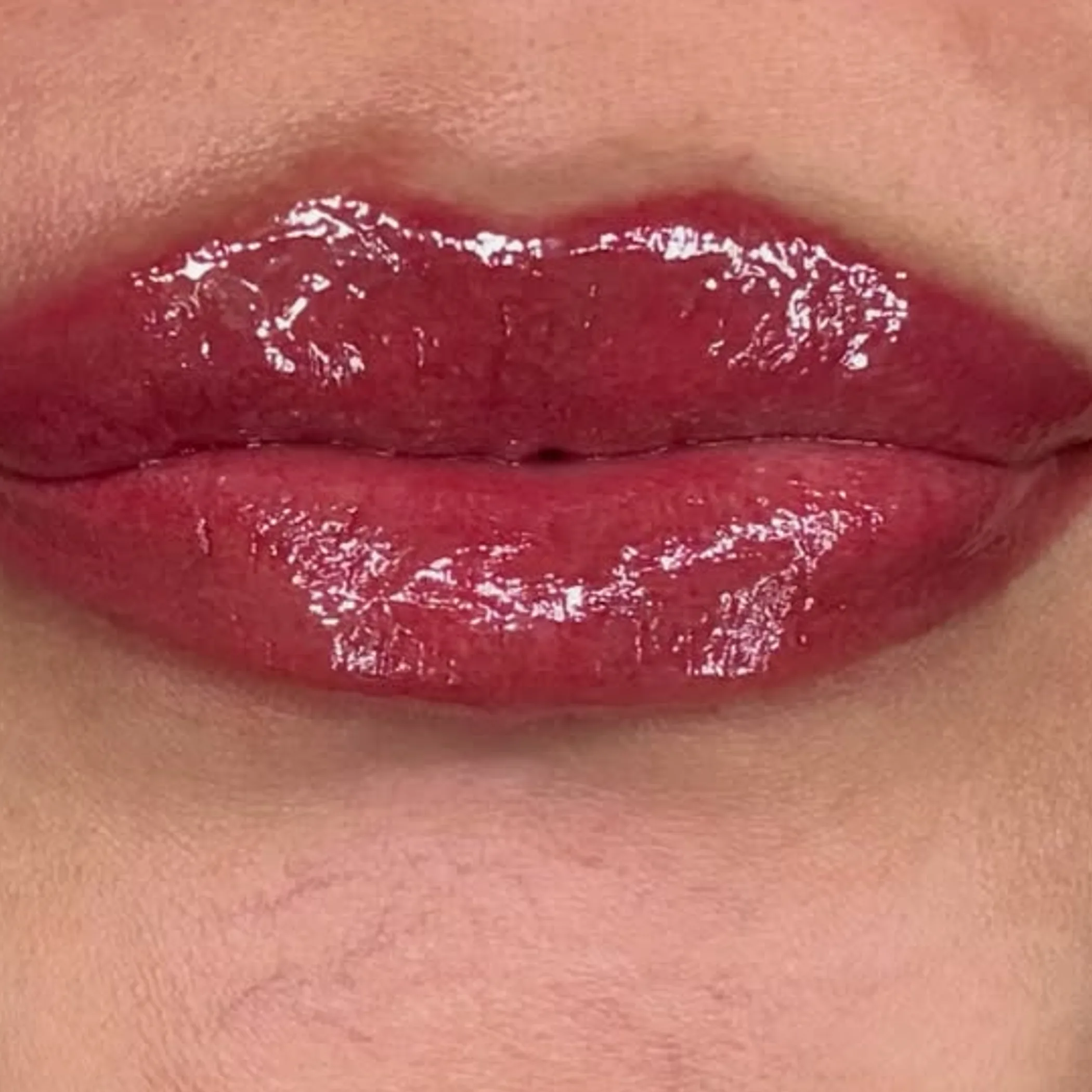
For an even look or definition with little maintenance, lip tattooing has its uses. But it is for those who accept the finished product will be less predictable and softer than the new pigment and that healing is a process.
If an appointment is all you have, make it a consultation and view some healed work. Be open about medications and cold sores and take your time. A good practitioner will not dismiss risks and will leave you in a position to give a considered yes or to walk away.
Samuel Brooks