One could argue that autumn is when you are at your best in the Yarra Valley. Between March and May the grape harvest, vintage work and the way the vineyard foliage changes all serve to put the region in its proper perspective. Then there is spring, from September through November, for those who want milder temperatures, fresh growth in the gardens and a more leisurely cellar-door experience.
Of course, no season is ideal for all. Summer has its appeal with long days and an outdoor lunch; winter is for the visitor inclined to eschew the crowds in favour of a good meal and some quiet at the cellar door. In my time in regional tourism I have come to appreciate that the finest wine itinerary is not necessarily the one with the most stops on it. It is the one with room for the weather, for talking, Yarra Valley winemaker chats and the odd hat that goes missing. I am Samuel Brooks and I can attest to that.
Right Season First
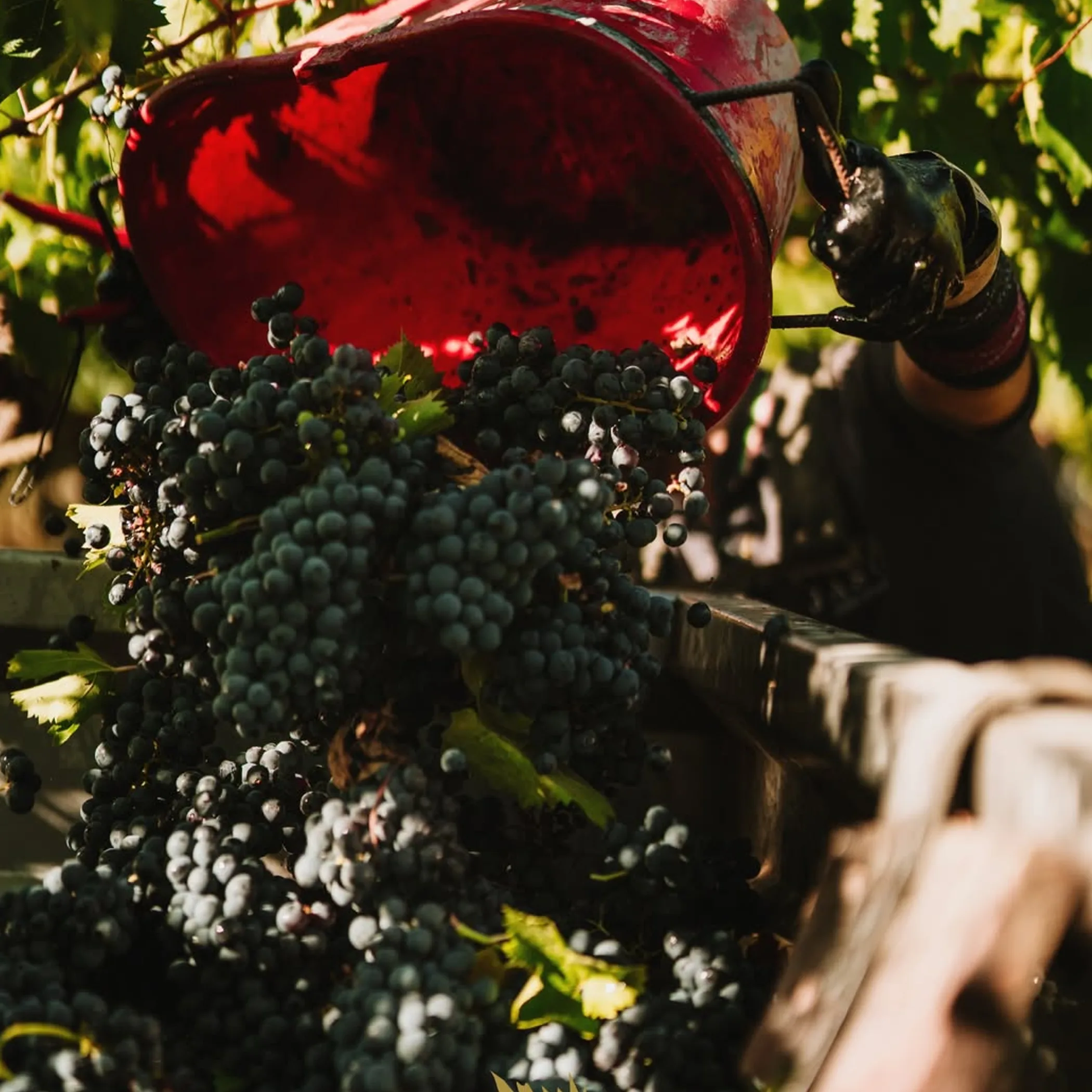
You will find the character of an Australian wine region is not static. A cellar door is a different proposition in the middle of a wet winter or at budburst in spring than it is at harvest. So make the season your first consideration.
The Bureau of Meteorology will give you some idea of what to expect before you go but do not be fooled by a fine morning in Melbourne into thinking the Yarra Valley will be dry in the afternoon; the roads off in the vineyards are cooler than the town centre.
A Quick Look At The Seasons
| Season | Months | Best For | Watch Out For |
|---|---|---|---|
| Autumn | March to May | Foliage, the vintage and harvest atmosphere, cooler days | Weekends can be busy, access to the harvest is limited and the weather is fickle |
| Winter | June to August | Fewer people, fireside meals and undisturbed tastings | Muddy tracks, less daylight and cold rain |
| Spring | September to November | Outdoor tastings, blossoms, gardens and budburst | Wind and the odd wet day |
| Summer | December to February | Green vines, long lunches and tasting outside | Crowds, heat, bushfire risk and accommodation hard to come by |
With four seasons to choose from, each takes up a quarter of the year. That is something to bear in mind with annual leave; while autumn and spring give you three months of conditions, vineyard activity and harvest do not put in an appearance on the same date from one year to the next.
The Energy of an Autumn Harvest
For the traveller wanting to witness the making of wine, an autumn in the Yarra Valley is the most engrossing. From March to May you have cooler mornings giving way to warmer afternoons and can watch the vineyards turn from green to russet and gold, or even bare for the winter. Perth’s autumn climate details highlight the transition from hot summer days to cooler mornings by May.
There is a certain buzz about the wineries during harvest and vintage, yet do not think you can just stroll into the working areas. It is a period of serious production, not a festival for the public. You will find restricted access, forklifts and wet floors which can put a damper on a casual visit.
What to Expect
My initial forays into wine regions had me picturing a neat row of people with baskets in the sun. In fact it is much more of a practical affair and noisier. The trucks come in, the grapes are put to work and staff alter their plans. An hour is enough to see the weather change from picnic material to something that calls for a jacket.
But the atmosphere is worth it. You may be able to put in a word with the winemakers at some cellar doors or go for a walk in the vineyard, though you would be wise to book ahead. A chat with a Yarra Valley winemaker tends to stick with you and says more than any tasting note.
Some Advice for Autumn
Put in your bookings for the better restaurants and cellar doors well in advance, particularly on a Saturday. If you are behind the wheel, give yourself 30 or 45 minutes between tastings; map applications do not account for the time you will spend on the road and in conversation. Two or three cellar doors, a decent lunch and perhaps a garden makes for a sensible day.
From Melbourne the drive is easy enough but if you intend to taste wine then a designated driver is a must. Or take a private transfer or an organised tour of the Yarra Valley and you will not have to worry about drink-driving and the day will not feel so hurried. Just check the inclusions and return times and what suburbs they pick up from before you hand over your money.
Spring Shows Fresh Vineyard Growth
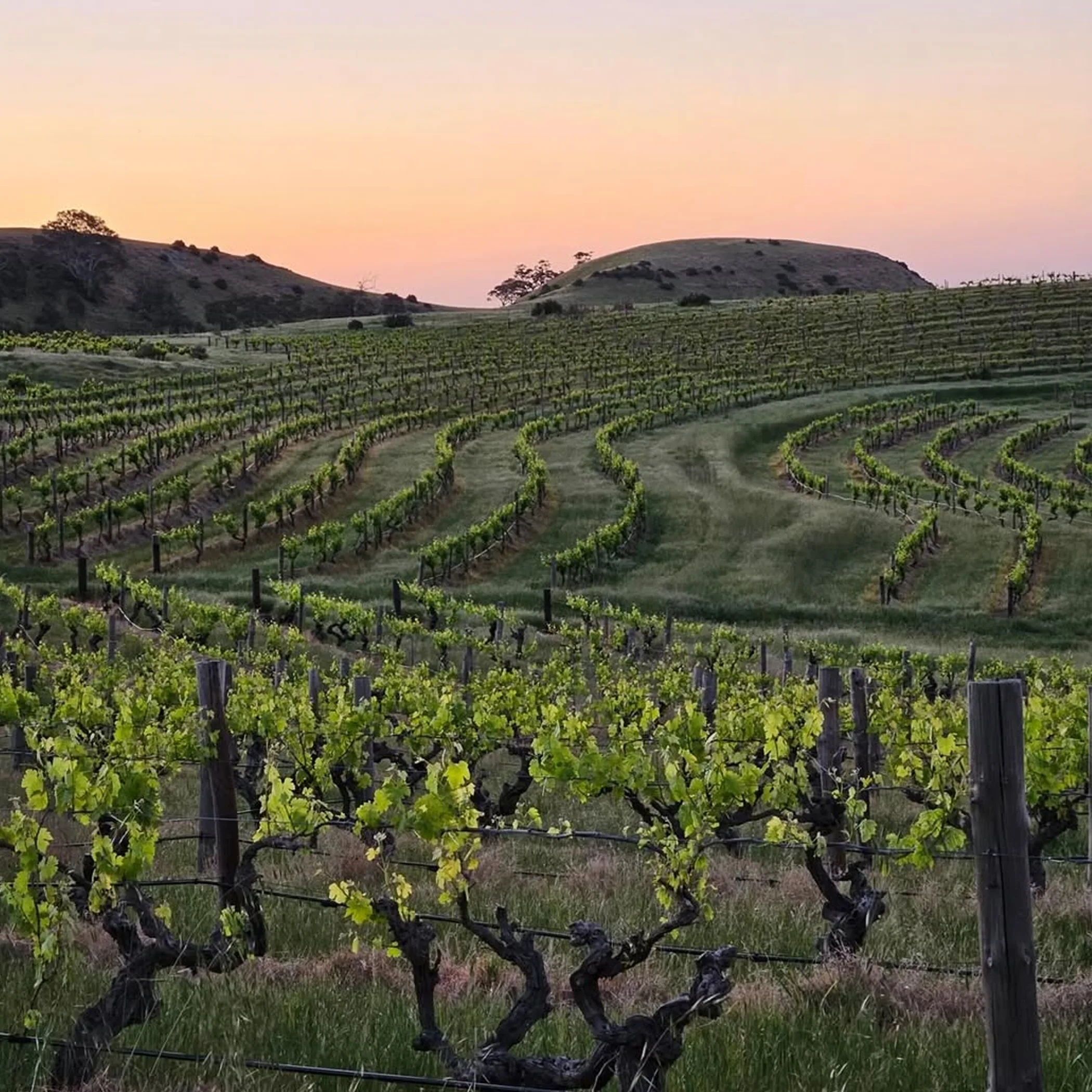
Then there is spring in the Yarra Valley, when the new season in the Australian vineyards is just starting to show itself. Good for a lighter meal and the gardens. Vines put on a show of vigour and brightness in the months from September through November with their budburst and new leaves; then there are places like Alowyn Gardens or the Blue Lotus Water Garden to provide some colour, provided the weather is obliging.
But do not expect spring to be all sunshine in a postcard frame. One can have wind, a shower or an unannounced change in temperature, so it is better to have a light waterproof in your bag than to put your faith in optimism. There is nothing like a wet jumper to make you see the error of that, as if it were a damp towel.
For Whom Spring Is Best
A couple, a family or any garden enthusiast or photographer looking for something beyond wine tasting will find spring agreeable. It is also the time for those who would rather amble about the vineyard grounds than put up with the summer heat. You may come across some sparse vines early on, a consequence of winter pruning, but that is just the way of the growing cycle and no shortcoming of the place. For thick green foliage one might wait until later in the season or go in summer; to see how the vines get going again, spring has more to offer.
Putting Together a Day That Can Take the Weather
Have an indoor activity of sorts to anchor your day, a long lunch or a visit to the cellar door. And when it comes to the wineries and gardens, make sure of the parking; the more well known of them will have restricted space for big vehicles or uneven paths and separate arrivals.
Families are advised to look into age policies. Some tastings are very welcoming, others are for quiet seated service. A child without his nap will make of a tranquil tasting a piece of performance art, which is pressure no one wants.
Summer: The Rewards of a Slow Day
With its daylight hours and the green of the vineyards, summer is practical for an outdoor lunch and for the traveller intent on pairing wine with a drive, some cycling or a late evening back in Melbourne.
Then there is the matter of demand. Summer weekends, particularly at the time of a public holiday or event, are apt to book up. The heat is another factor; what was an appealing vineyard at 10 in the morning will be as flat as a pancake by mid-afternoon.
The Reality of Summer
It is a mistake to think all days in summer are the same. Roads and venues can be subject to closures over fire or wind. Put some water in the car, do not count on your phone having signal in every corner and heed any official warnings come the morning of your trip.
Whatever you do, do not leave the wine or the children or pets in a hot car. Put on a hat and some sunscreen. Should a bushfire warning alter your plans, let the locals tell you where to go instead of being inventive on back roads you do not know.
Accommodation prices tend to run up in summer. As a guide for planning purposes, a casual winery lunch will set you back AUD 25 to 50 a head, a fee based tasting from 10 to 30 and premium seated affairs more. Do not take these figures as anything but indicative given the variation in menus and conditions.
Tastings in Winter
Serious wine travellers might overlook winter but it is among the most comfortable of seasons. The cooler climes of the Yarra Valley and elsewhere call for a focus on Chardonnay and Pinot Noir and allow for a more leisurely meal and conversation at the cellar door. Weekdays will be less crowded for the most part, yet not all venues are open as usual; some have cut back their days or are shut for maintenance. A word of advice is to check before you go.
An Itinerary to Be Cosy With
If the weather is right, make time for a brief stop outside but otherwise plan for two tastings and a good lunch. Allow for the fact that wet roads and poor visibility will add to the time, and once dark falls the country roads to Melbourne can seem a long way off if you are not used to them. This is a season for calm and for those who appreciate food and talk, not for anyone wanting a full programme of outdoor pursuits and late sunsets. Wear shoes with a grip, a hard rain will make the paths on the vineyard rough.
Australia’s Wine Regions in Comparison
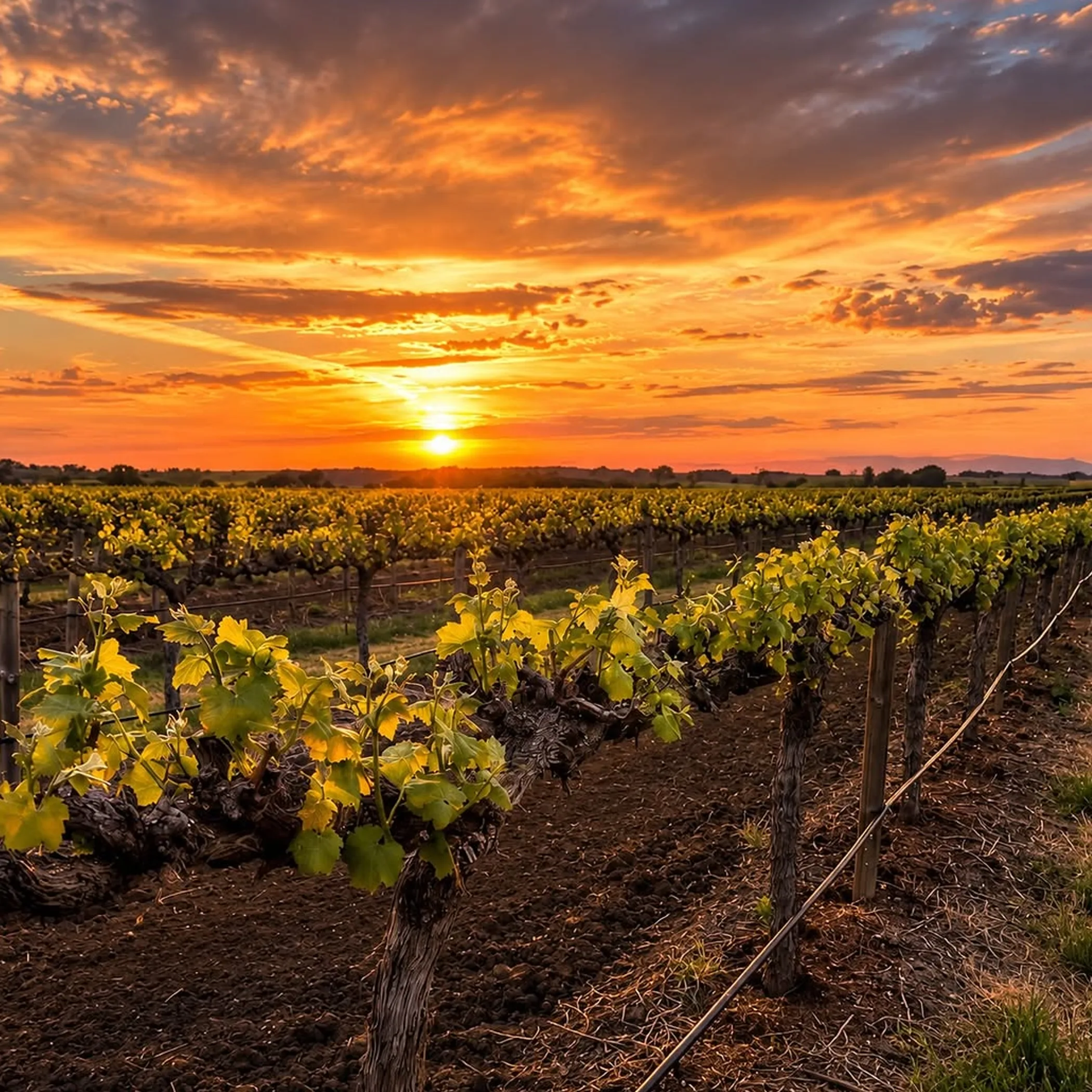
There is more to consider than the Yarra Valley. The seasonal rhythms and topography of the Riverina, Riverland, Margaret River or Barossa Valley are quite distinct. To compare is to select a region on the basis of the time at your disposal and not force a trip into a formula.
Barossa Valley By Season
There is no one answer as to the best month for a trip to Barossa Valley; it is a matter of what you put first. Many travellers will find April a sensible option for its mild autumn and the feel of harvest time. You could opt for the greenery and relative quiet of spring or the warm, bustling cellar doors of summer. A winter visit is preferable if the aim is to put more emphasis on food and an unhurried tasting.
In general terms the Barossa is where one goes for bold reds and time-honoured food traditions. The Yarra Valley has a different draw, with its cooler climate and fine Chardonnay or Pinot Noir. It is not a case of one being superior to the other, they are just two ways of doing Australian wine tourism.
Margaret River And Beyond
For those who like their wine with some beaches, forest and coastal cuisine, Margaret River is well suited. Spring and autumn tend to have a good mix of touring comfort and visitor numbers, but do not be surprised by quick changes in the coastal weather.
A trip to the Riverland and Riverina is altogether different. Warmer inland conditions and expansive agricultural vistas are to be had, and they will appeal to the traveller with an interest in regional food and large-scale production. Be aware that the distances from one place to the next can be more than one might think; before embarking on a long country drive, make sure you have fuel, accommodation and return routes sorted.
Your Wine Itinerary
The season you pick is less about any universal ranking and more on your plans between tastings. Make up your mind if you are after harvest or a day indoors, or perhaps some gardens and outdoor lunches, and let that dictate the region and the month.
One Day In The Valley
An early start from Melbourne is called for to get in ahead of the traffic and make the first booking. Do not make the mistake of trying to see the whole of the Yarra Valley in a day. Set aside lunch and a stop or two at a particular cluster of cellar doors, leaving something open to the weather. Six to eight hours door to door is a workable plan for travel, parking, eating and the odd delay.
- Leave Melbourne early enough to avoid peak traffic and arrive for the first booking.
- Have a couple of cellar doors in before lunch, with water and provisions in hand.
- Pick a final tasting or a scenic spot according to how the day is going.
- Be back on the road before the country roads become a chore in the dark.
Making The Trip Work For You
Wine lovers wanting the harvest experience should go in autumn; for fresh vineyard growth and photography, spring is the time. Summer lends itself to extended daylight and long meals outdoors, winter to conversation and a quiet glass. Those not keen on driving after a few glasses would do well to book a transfer. And if mobility is an issue, enquire beforehand as to walking distances, steps and toilet access; a lovely rural setting can have a path that is steep enough to be inconvenient.
Tastings Need Not Be A Hassle

Plan properly and the important parts of the trip are taken care of. Opening hours are fluid at times, over public holidays and in vintage, so book in advance and keep your route tight.
A Checklist
- Put down the opening hours, fees, what the cancellation policy is and any minimums for a booking.
- Find out on parking, whether children or dogs are welcome and if there is seating outside.
- See what the weather and fire warnings are like and check for mobile coverage.
- Have a jacket, sun protection and charger to hand.
- If alcohol is to be imbibed, have a designated driver or use a tour operator.
Do not put tastings one after another with nothing in between. Country traffic is not going to wait for your spreadsheet and a talk at the cellar door may run on. Allow for some leeway in the itinerary to change course and put in a good story.
What To Make Of It
Most would say the all-round time for the Yarra Valley is autumn, when the harvest and foliage give the region character. Spring is the alternative for the more active visitor. But then again, summer and winter have their place. Go with the season that is right for you rather than someone else’s highlight reel. Book accordingly and take the time to meet the people behind the wine.
Frequently Asked Questions
Best regions in Australia?
It comes down to what interests you. Easy access from Melbourne and cool-climate wines point to the Yarra Valley. For the established touring and bold wines of the Barossa, or the coastal combination of Margaret River, each has its merits. The Riverland and Riverina are for a more extensive inland affair.
When to go to Barossa?
April is a sound choice for the autumn and harvest vibe, though winery activity and conditions will differ. Winter is fine for the food and indoor tastings away from the crowds, while spring is quieter and greener.
Vineyard season in Australia?
There is a cycle to it: dormancy and pruning in winter, budburst in spring, ripening through the summer and the vintage in autumn. Varying weather and the grape variety will determine the exact timing.
Yarra Valley?
From March to May the changing foliage and harvest make autumn the strongest bet. September to November is when you will want to be there for the gardens and fresh growth. With proper planning, even the limitations of winter and summer can be accommodated.
Is it for beginners?
They should be able to enjoy it. Pick a relaxed venue or two and put some questions to them, do not attempt too many in a day. A guided tour can ease the way with transport and pacing. And if mobility is an issue, enquire beforehand as to walking distances, steps and toilet access; a lovely rural setting can have a path that is steep enough to be inconvenient.