The last leg of the Great Ocean Road between Port Campbell, Peterborough, Allansford and Warrnambool has its share of fine stops. One can put in an appearance at the Bay of Islands or a coastal lookout, visit Logan’s Beach, the Tower Hill Wildlife Reserve, Hopkins Falls, Deep Blue Hot Springs in Warrnambool or some of the region’s food producers.
Technically the road comes to an end at Allansford some 13 km east of Warrnambool where the B100 and Princes Highway converge, so Warrnambool is not the official terminus. But as any regional drive planner will tell you, it makes for a better base for this final stretch of coast. I am Samuel Brooks and in my years of putting together drives I have come to believe that what separates a good day from a foolish one is a matter of the weather, parking and if lunch was thought of in advance.
Where The Road Ends
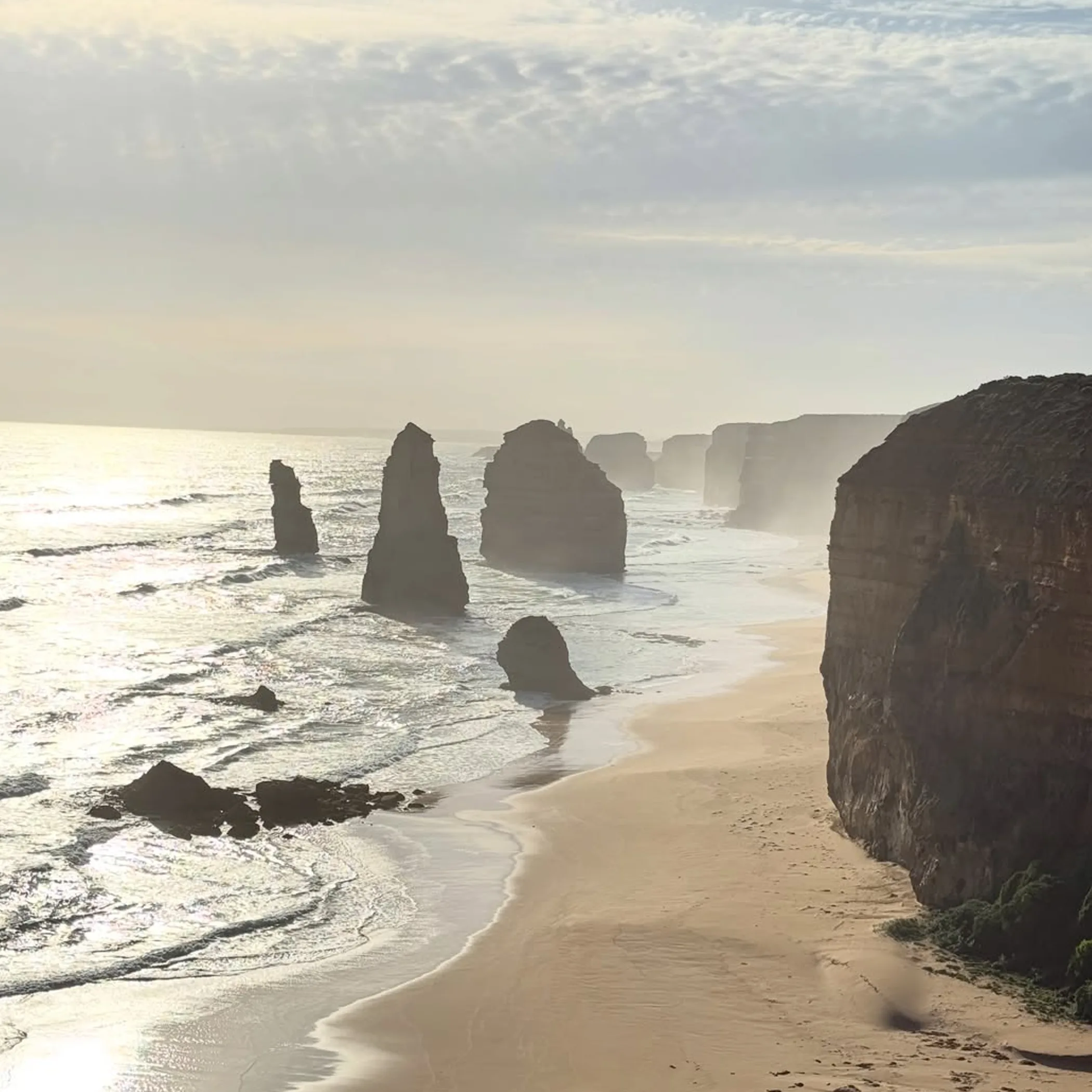
You will find the Great Ocean Road properly ends at Allansford, not in the centre of Warrnambool. For those making their way west out of Melbourne or from Port Campbell to the south-west, the last part of the road is easily done in conjunction with the local attractions.
Allansford is more of a working dairy and food town than a place for sightseeing, which makes it a sensible stop to put behind you before heading into Warrnambool. It can be a practical Allansford stop on the way to Warrnambool.
A Matter Of Distance
Roughly 243 kilometres in length, the B100 is the thoroughfare that ties the lookouts and towns from Torquay to Allansford together. Your actual mileage will be something else again once you factor in where you start and any short walks or detours.
To do the run from Port Campbell to Warrnambool right, set aside the whole day. You could make the direct trip in half the time but the coast is no place to putter along with a meat pie in one hand and the wheel in the other.
| Section | Approximate Drive | Useful Time | Why you should stop |
|---|---|---|---|
| Port Campbell to Peterborough | 15 km or so | 1–2 hrs | To see the rock stacks and lookouts |
| Peterborough to Bay Of Islands | 10 km | 1–1.5 hrs | Limestone cliffs and sea caves |
| Bay Of Islands to Allansford | 55 km | 2–3 hrs | Some quiet beaches and the last of the B100 |
| Allansford to Warrnambool | 13 km | 20–30 min | Whales, hot springs, food and the like |
Coastal Stops of Note
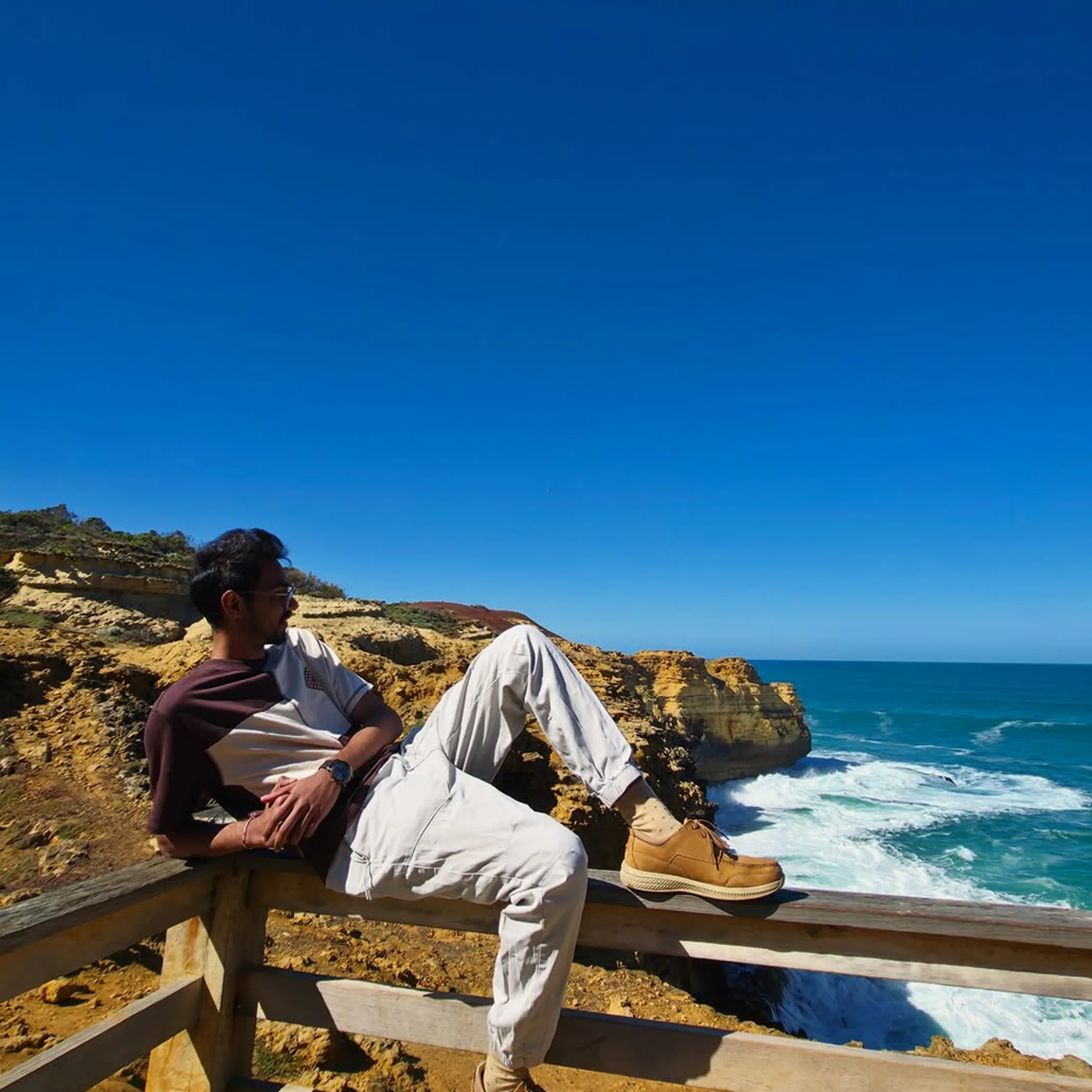
There is not the same crowd as you will encounter at the Twelve Apostles on the western side of the Great Ocean Road, yet one should be circumspect. A bout of rain or a slip on an edge in high wind is a cold reminder of personal responsibility. What follows are the stops near Warrnambool for those who prefer to take in the scenery instead of rushing through a viewpoint in ten minutes flat.
Bay Of Islands Coastal Reserve
Before you get to Allansford, the Bay of Islands is a major stop. Off in the Southern Ocean are sizeable rock stacks and the limestone cliffs and caves of the reserve bear witness to the work of the sea.
Stick to the marked viewing areas and do not go close to the edge. From the car park the wind does not seem so bad until you are out there, and in normal shoes the wet rock is rough as guts. It is a fine lookout for most, though perhaps not for very small children inclined to test the barriers.
Peterborough
For a more leisurely view of the western coast, Peterborough is well worth using as a base. There are picnic spots and several vantage points here that give families more elbow room than the more heavily visited places at Port Campbell.
You will come across sandy ground and sealed paths as well as walking tracks. Do not be taken in by the Southern Ocean if you are thinking of a swim; check first. And in the school holidays a picnic is to be preferred over a hasty stop at a café.
Port Campbell National Park
Stops between Port Campbell and Warrnambool logically begin at Port Campbell National Park. See the London Bridge, Loch Ard Gorge and the Twelve Apostles early on if you have not already; the car parks get full and the walking can eat up more time than you think.
The individual lookouts may not take long but it all adds up. Put in two hours minimum for the main ones, or more if you intend to get some photographs in without making an obstacle course of the other visitors.
Wildlife and Whale Watching
There are wildlife encounters in Warrnambool to be had that put the rock stacks in a different perspective. One can make for the Tower Hill Wildlife Reserve to see an extinct volcanic terrain, spot a koala or kangaroo, or observe southern right whales from the shore.
Then again, wildlife has its own schedule; it is not going to bend to your itinerary. Have some patience and binoculars to hand, and be prepared with a plan in case the star of the show prefers to stay offstage.
Whale Watching at Logan’s Beach
The platform at Logan’s Beach is by far the most recognised place in Warrnambool for whale watching on land. In the winter months you will find mothers and their calves in the area close to shore.
Do not expect a sighting as a matter of course. I have made the error of being too sure of myself on a coastal outing, only to stare at the water for seven minutes and be on my way when a whale finally puts in an appearance. Put aside 30 to 60 minutes, take your time in scanning for any dark backs, blows or odd movement at the waterline.
It is an easy drive from Warrnambool to the platform but do not be fooled into thinking it will be as comfortable as in town; it can be cool and windy. A warm layer is advisable and one should not stand too near the edge of exposed ground.
Tower Hill Wildlife Reserve
West of Warrnambool in a big volcanic crater lies the Tower Hill Wildlife Reserve. The landscape is nothing like the open coast which makes for a very worthwhile trip. You might come across emus, waterbirds, kangaroos and koalas, weather and time of day permitting.
Stay to the designated roads and do not feed the animals. There are walking tracks of varying difficulty so have a look at the local signs before you go. It is also prudent to check on visitor information for Tower Hill first, in case track conditions or fire danger preclude access.
It is also prudent to check on visitor information for Tower Hill first, in case track conditions or fire danger preclude access.
Stops for the Family
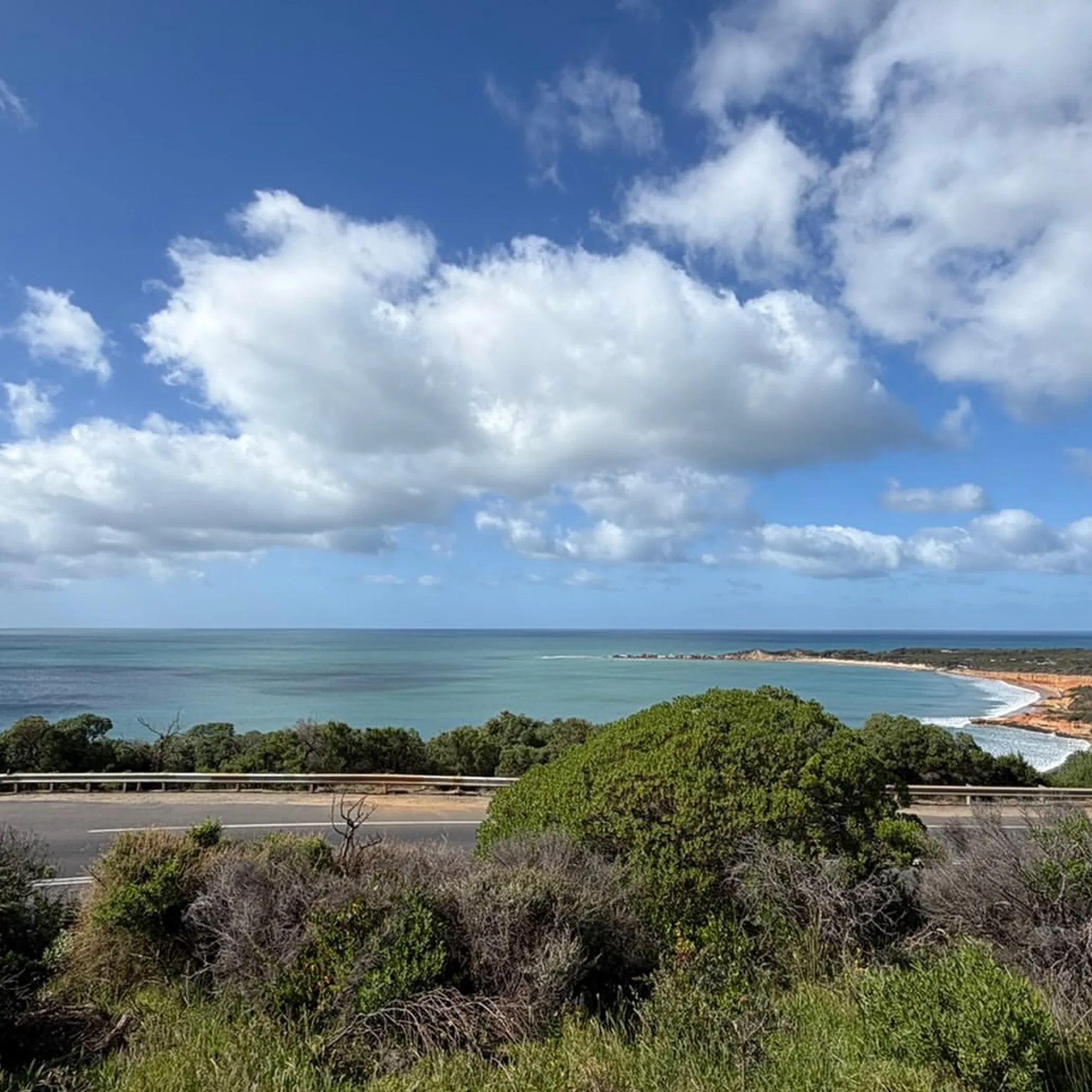
For families and those who have had enough, the last leg in Warrnambool is less arduous. One can put in a picnic or take a river walk, or enjoy a warm pool, all without losing touch with what the region is about.
A practical day with more opportunities to put in a sit down and fewer steep paths is called for here. Not out of laziness but because the knees have spoken.
Deep Blue Hot Springs
After a long stretch of coastal driving, the Deep Blue Hot Springs in Warrnambool is a good place to recover. The warm mineral pools and quiet spots are for the adult in need of some rest; families would do well to enquire as to age requirements and session rules in advance of booking.
Consider paid attractions a line in the budget, prices being what they are and subject to change. To get your money’s worth you will want to allow two hours; 20 minutes and you will be questioning the effort of changing from your road-trip attire.
Hopkins River and Foreshore
When the wind has put you off the open lookouts the Hopkins River is a welcome respite. The foreshore, river mouth and adjacent coastal paths are good for a short walk or picnic.
Walking is not always straightforward in these parts after a rain. Mind slippery surfaces and keep children in hand around the water. This is an area for a leisurely stop, not for ticking off a tightly run list of attractions.
Warrnambool For Families
With its cafés, fuel, medical services and supermarkets, Warrnambool makes a fine overnight base. It is better to have activities over two days than to require a small child to put in six coastal lookouts before lunch.
Those with a pram will find the sealed foreshore and town facilities preferable to the assumption that any old coastal track is passable. And pack a rain jacket; the weather has a mind of its own and can turn in a moment despite a flat morning.
Historic Food and Inland
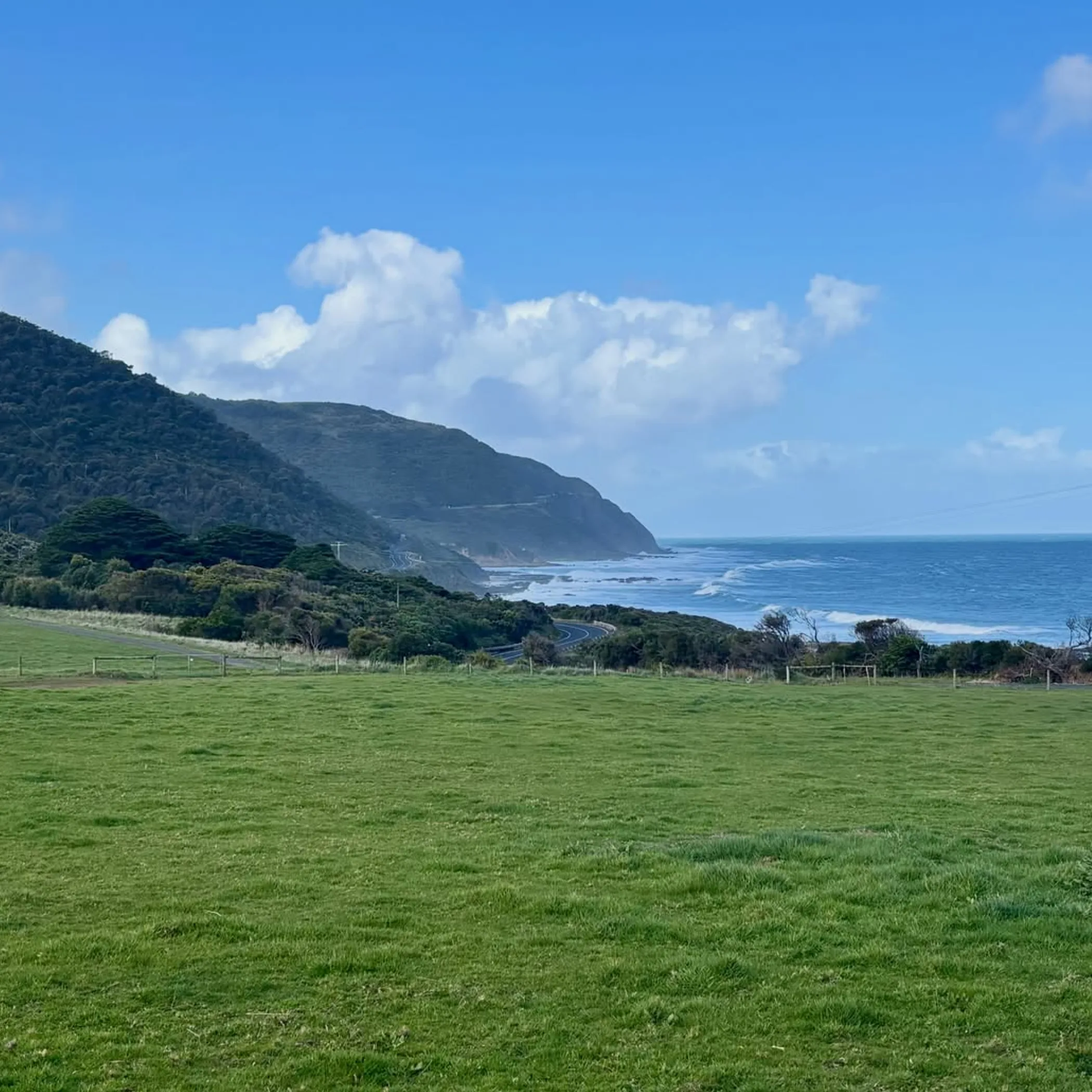
The inland part of the drive shows there is more to this region than postcards and cliffs. Volcanic country, farm-gate produce and dairy history link you to the working communities in the final section.
Food stops come in handy with children or anyone inclined to become philosophical over a missed lunch. Make sure to buy responsibly and keep things chilled and factor in the time to get back.
Allansford Dairy Country
You will find Allansford at the end of the Great Ocean Road in a region given over to dairy production. The countryside about you is testament to the fact that the road is more than a pretty corridor, it is a thoroughfare for road trains and farm vehicles as well as local workers.
Exercise some care on the rural stretches of the road, around any bends or where the shoulder narrows and at farm entrances. There is no need to put a vehicle on the roadway to get a photograph. Should you come across an open farm shop or cheese maker, abide by their hours of trade, do not put stock in what an old travel blog might have to say.
Hopkins Falls
A detour to see Hopkins Falls, an inland waterfall north-east of Warrnambool, is time well spent after a good rain has put water in the system. In drier times the scene is far less imposing. Keep to the viewing areas and have an eye on the children by the river and gorge; heavy rain can turn surfaces slick and alter water levels in short order. For those in search of an alternative to the coastal lookouts it is a sensible place to stop, but with a short visit one should not forego the coast for it.
Warrnambool Itinerary
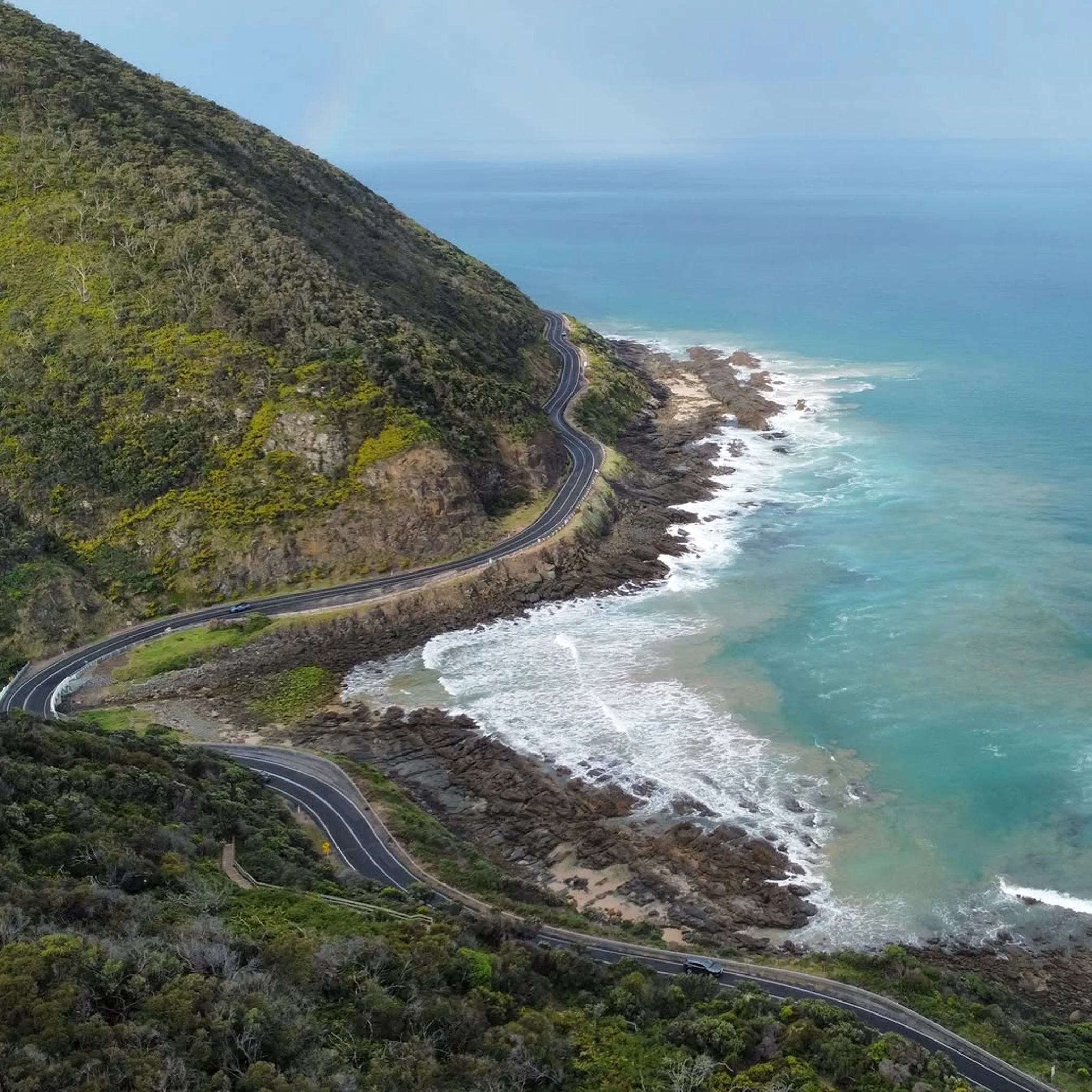
How one structures a day on the Great Ocean Road to Warrnambool is a matter of where you are coming from. Those making the route from Torquay would be wise to put in an overnight rather than attempt to cram it all in, whereas Port Campbell visitors can make of the western coast what they will.
What is set out below is predicated on an early start and decent weather, and the good sense to forgo a stop if the day is over run. That is not giving in, it is the way an adult prevents having to go to dinner looking as though he has been put in a glovebox.
- Port Campbell is the place to begin, to see the principal coastal vantage points before the crowds arrive. Factor in two or three hours for parking and a walk or two.
- Make your way to Peterborough for a coffee or picnic at a more leisurely pace, 60 to 90 minutes will do, more if the children want to let off steam.
- The Bay of Islands and its lookouts call for a similar 60 to 90 minutes, longer if the wind is up and you want to put in some photographs and safe walking.
- On the B100 to Allansford allow two to three hours, breaking only where there is a sign and it is safe to do so.
- In Warrnambool you might end the day at Deep Blue Hot Springs, Tower Hill Wildlife Reserve or Logan’s Beach. Pick one activity and do not try to do them all.
When One Day Is Tight
Stick to Port Campbell, the Bay of Islands and Warrnambool. During whale season add Logan’s Beach, or if wildlife is of more interest than yet another cliff top, then make for Tower Hill.
Those from Melbourne should not delude themselves into thinking a one day itinerary is going to be anything but hard work once you have accounted for traffic, the odd wrong turn made with full conviction and the necessary stops for food, photos and the toilet. The Torquay to Warrnambool via the Great Ocean Road is a long day.
Practical Tips
Plan for distance, exposure and the lack of public transport and the last part of this is simple enough. It is not when travellers are under the impression every lookout will be equipped with a café and mobile reception.
Have a map of the Great Ocean Road to hand, check conditions and put fuel in the tank before you get to the more remote parts. A rental car is best for flexibility; while tours and buses are an option they will not take you to every viewpoint and preclude any spontaneity.
What Catches Travellers Out
- There is danger at the edge of the cliffs in poor visibility or with wet and strong winds. Children should be kept close and one must remain behind the barriers.
- Do not count on a whale watching experience; it is as much uncertain as it is seasonal. The winter calving season will put you in with a better chance of a sighting but there are no guarantees.
- One will find the walking tracks to be uneven, exposed or muddy at times, so have water to hand and put on some grippy shoes.
- And since mobile reception is unreliable, make sure to have your maps and accommodation information downloaded prior to leaving.
- It costs more for fuel, food and a room in the coastal areas when they are at their busiest. Figure on $25 to $45 a day per adult for an unpretentious meal, that being aside from any paid attractions or where you are staying.
Expectation Versus Reality
You may plan to put in an appearance at every viewpoint but a late start, the wind or a queue will see some of those cross off the list. You might also be expecting the whales to put in an appearance on time and end up with nothing but a gull of some determination and open water.
This is a route for the sort of traveller who is content with a bit of flexible driving on the coast, some short walks and regional fare. Not so much for those who would rather not deal with an exposed lookout, the vagaries of the weather, long days in the car or having to alter plans when things get ordinary.
Frequently Asked Questions
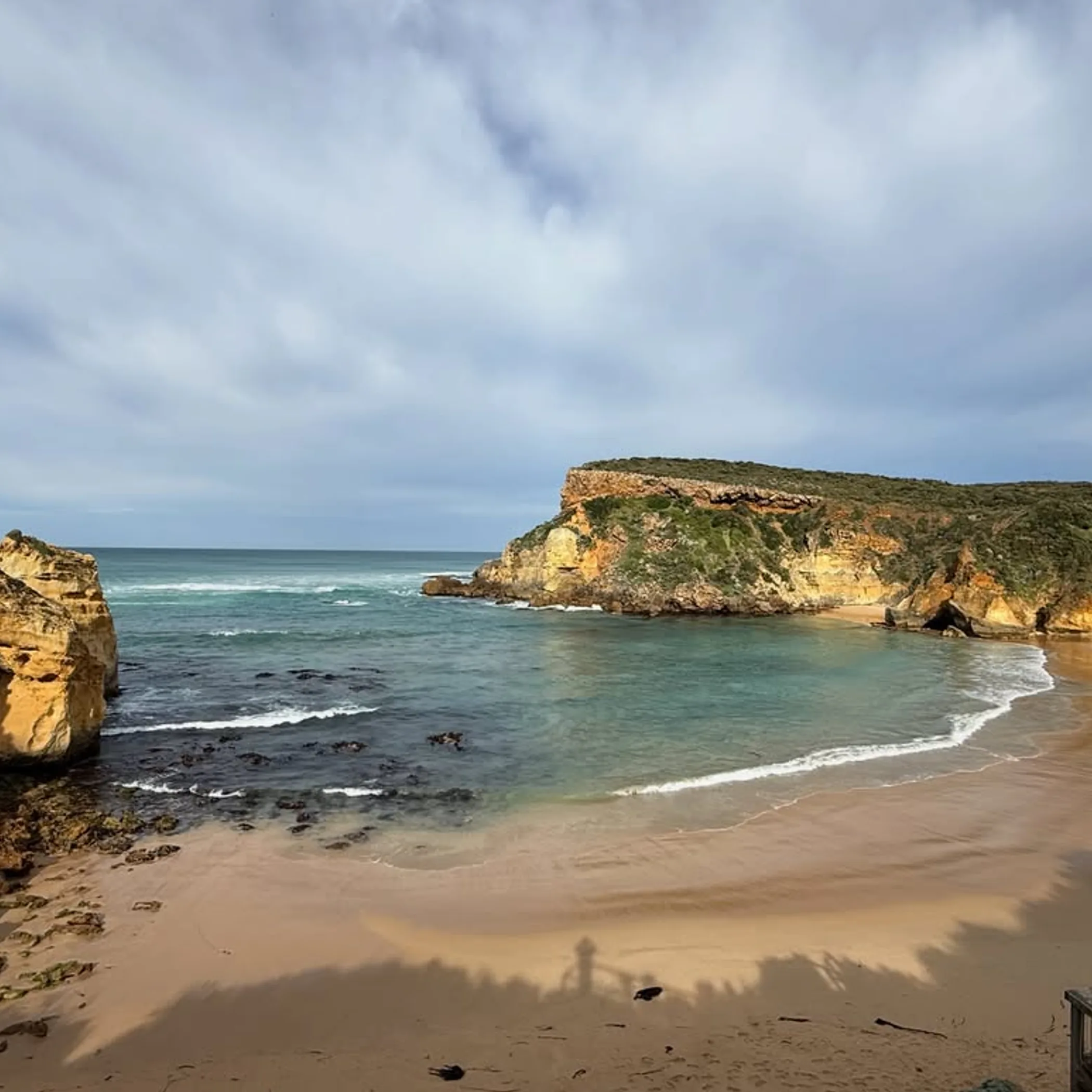
To clear up some of the confusion in planning the western end of the Great Ocean Road we have put together answers to a few practical matters. They are good for a quick reference but local signs and conditions on arrival should be heeded.
What Are The Main Stops On Great Ocean Road?
Torquay, Lorne, Apollo Bay, the Twelve Apostles, Loch Ard Gorge, Port Campbell, Peterborough, the Bay of Islands and Allansford. Then there is Warrnambool past the end of the Great Ocean Road which makes a handy base for the inland attractions and wildlife.
Good Places To Stop Between Melbourne And Warrnambool?
All the usual suspects: Torquay, Anglesea, Aireys Inlet, Lorne, Apollo Bay, the Twelve Apostles, Port Campbell, Peterborough and the Bay of Islands. While you can do it in a day direct, an overnight is advisable for comfort, if only because of weekends and school holidays.
Getting From Warrnambool To The Great Ocean Road
A car is the way to go for flexibility. Head east out of Warrnambool to Allansford and the B100, the road’s western end, and follow the signs along the coast. There are guided tours of the big names but they tend to stick to a schedule.
Melbourne To Warrnambool By Way Of The Great Ocean Road
For a sightseeing drive set aside the day, or two for something more leisurely. With the matter of traffic, roadworks and parking to consider, as well as how many of the walking tracks you put in, you are best to view it as a tour and not a means of getting from A to B.
Is Warrnambool Where The Great Ocean Road Ends?
Not really. Allansford is the accepted western end, some 13 km to the west of Warrnambool. But for a meal, Logan’s Beach, the Tower Hill Wildlife Reserve or somewhere to put your head, Warrnambool is the preferable option.
Plan The Western Coast Well
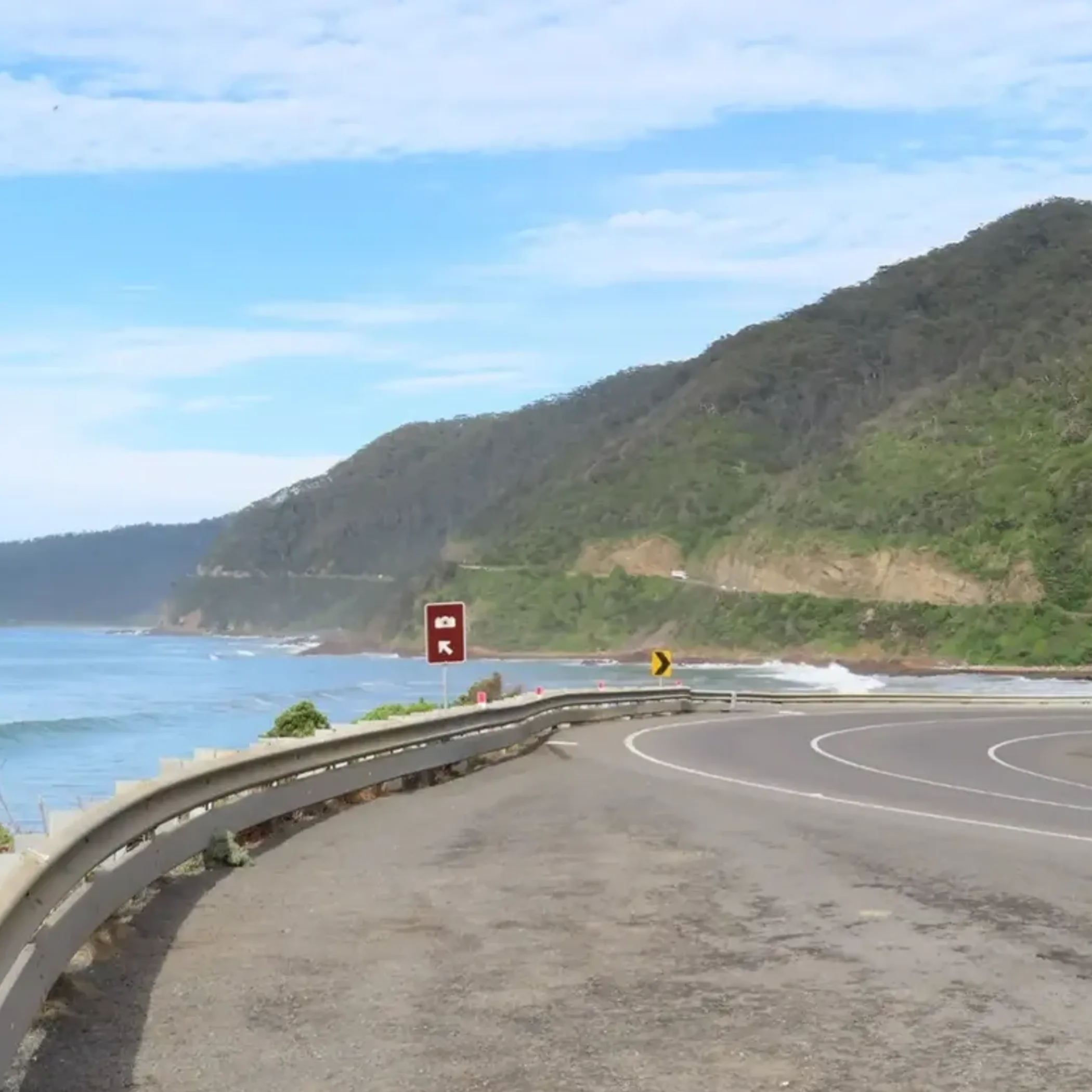
The stops in the vicinity of Warrnambool offer the coastal views and then some in the way of a waterfall, warm water and a proper town to round off the drive. Make of the Bay of Islands and Peterborough a start and pick a Warrnambool outing to fit your party.
My advice is to build in some slack to the day. It is nicer to have a quiet look at the coast, to forgo a track that has become slippery and to have your picnic before the rest of the group becomes a bother. Warrnambool is more than what comes after the Great Ocean Road, it is where the journey starts to make sense.